
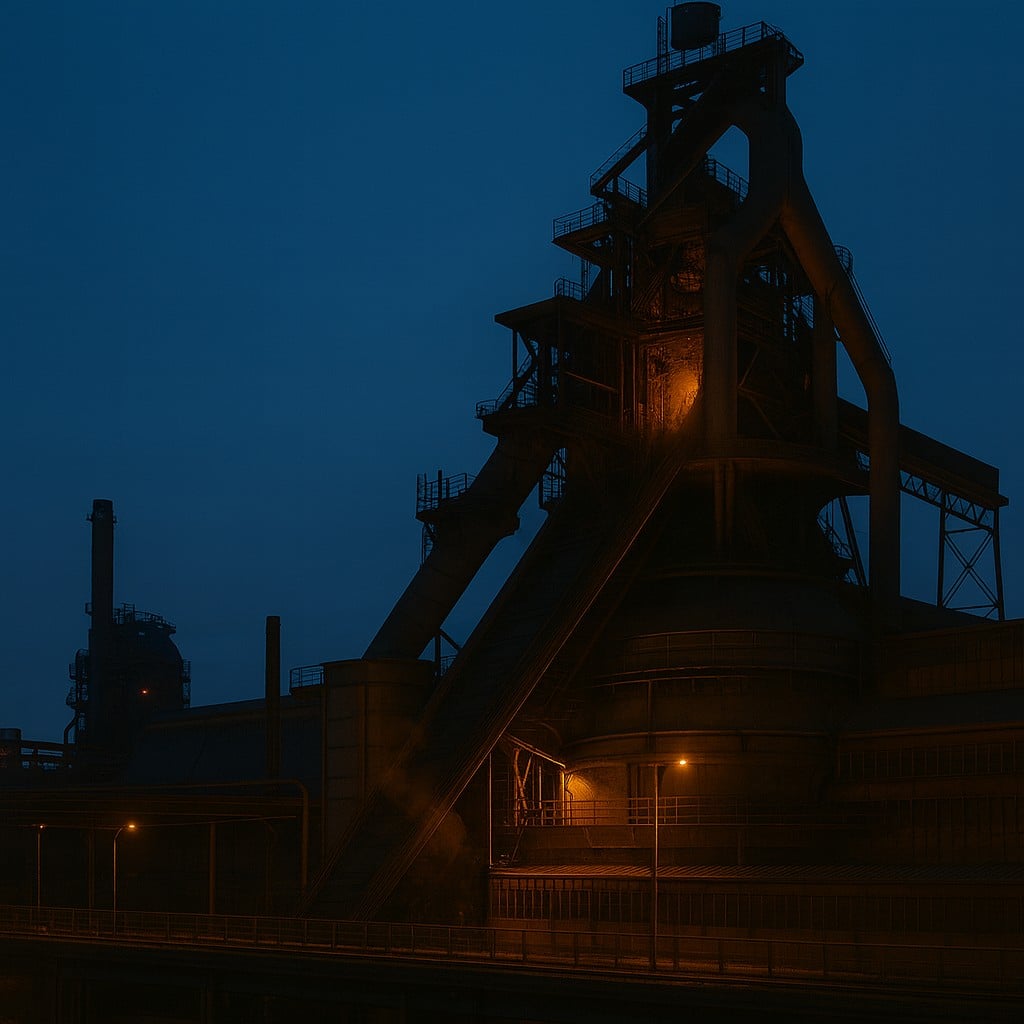
SIC™ BF Smart Agent X
Open the black box of the blast furnace
A physics-constrained AI agent that turns real operating data into what cannot be measured inside the furnace — and recommends quantified low-carbon operating changes.
Why now
Steelmakers must cut emissions now — on furnaces no one can see inside.
01
New ores and blend changes
Moving to Australian ores, lower-grade or new-mine ores, or a higher pellet ratio — know how permeability and the cohesive zone will respond before the burden changes.
02
Hydrogen-rich gas & COG injection
See how raceway conditions and gas distribution change before injecting on a live asset.
03
Quantified low-carbon moves
Recommendations come with numbers — the expected effect on fuel rate and CO₂ — not hunches.
The problem
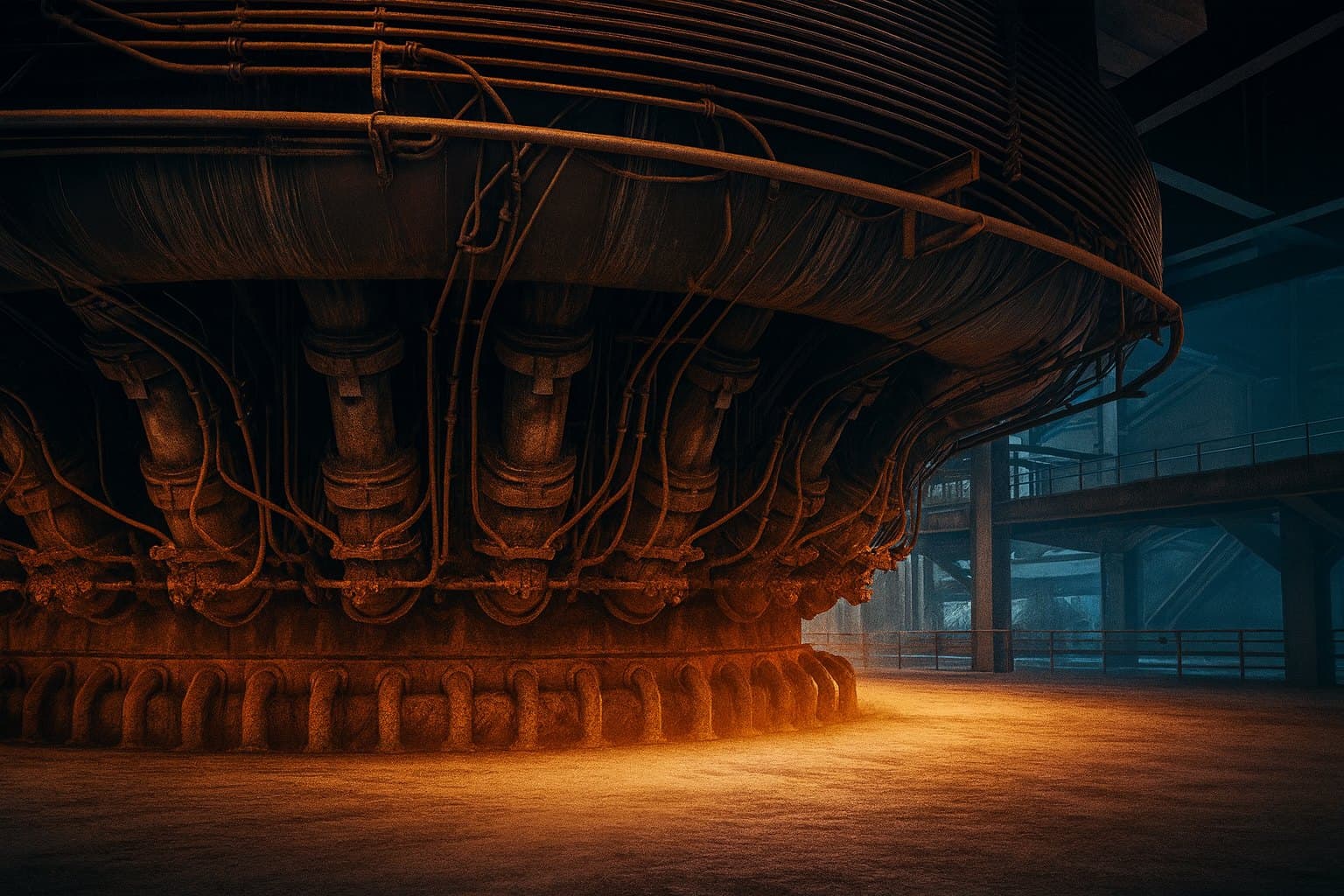
Every change is a live experiment on a furnace worth hundreds of millions.
SIC™ lets you prove a change in the model — before you risk the furnace.
What Agent X does
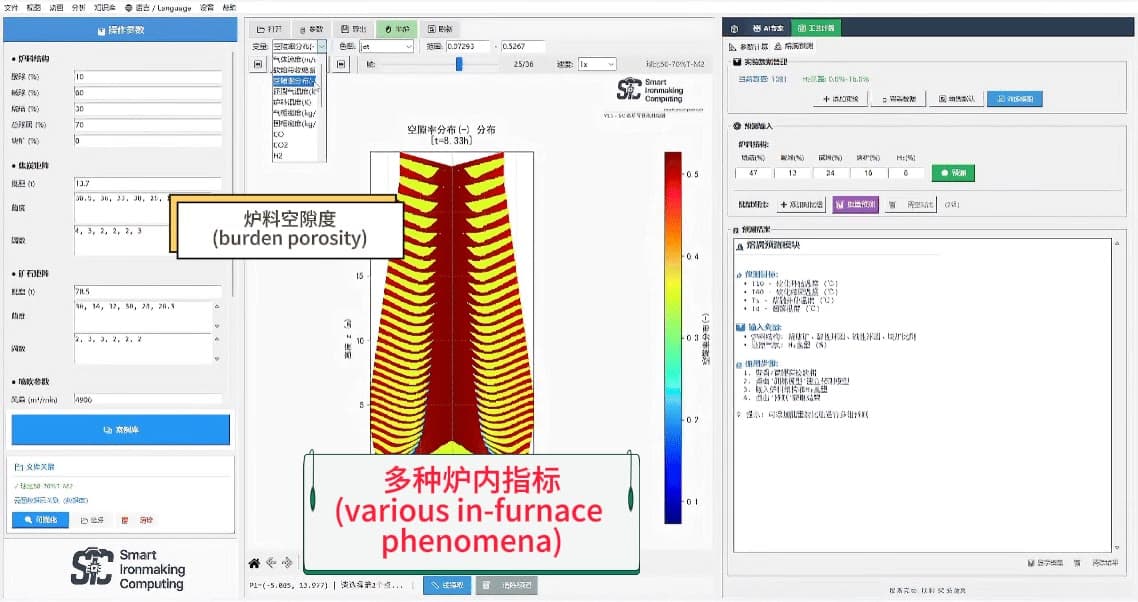
For every decarbonisation lever, a view inside the furnace.
| Lever | What changes inside the furnace | What Agent X gives you |
|---|---|---|
| Ore-source and blend changes — e.g. Australian ores | Permeability, cohesive-zone shape and position, gas distribution | The predicted in-furnace response and the operating window to stay inside |
| Hydrogen-rich gas & COG injection | Raceway temperature, combustion and gas flow | Injection scenarios compared side by side, with their thermal effect |
| Lower fuel and coke rate | Heat balance, thermal reserve zone, burden descent | Quantified fuel-rate and CO₂ change for each recommended move |
How it works
Physics first. Then AI.
A mechanism-model database built on CFD constrains the agent, so every prediction respects heat, mass and momentum balance — no new black box replacing the old one.
Input
Plant operating data
Burden, blast and injection parameters your plant already records.
Constraint
Mechanism-model database
CFD-based models of the whole furnace, from top charging to the hearth.
Agent
SIC™ BF Smart Agent X
Predicts in-furnace states and evaluates low-carbon operating strategies.
Output
Quantified recommendation
The expected effect on fuel rate and CO₂, for your engineers to review.
A picture vs. a prediction.
Static 3D visualisation
An expensive image of the furnace that stays the same, whatever you change.
SIC™ BF Smart Agent X
Driven by your real operating data. Change the operation, and the prediction changes with it.
What sets Agent X apart
Built for the inside of the furnace.
Most blast-furnace tools show what sensors already measure, or learn from what the furnace has already done. Agent X computes what happens inside — including for operations the furnace has never run.
01
In-furnace phenomena
Cohesive zone, gas flow, temperature field and burden distribution — the states no sensor can reach, not just wall and top readings.
02
Ore and coke layers, resolved
The burden is tracked as separate ore and coke layers, so the cohesive zone appears with its real shape and position instead of a blurred average.
03
Transient and three-dimensional
Follows how the furnace evolves over the hours after a change — and what it passes through on the way — rather than a single steady-state snapshot.
04
Answers in seconds
A pre-computed mechanism-model database returns the in-furnace response to a what-if in seconds, on site, while the decision is still being made.
05
No history required
Driven by physics rather than past data, so it can evaluate new ores, hydrogen-rich injection or new burden materials before the first trial.
06
Explainable, and stays in the plant
The AI assistant reasons over model results and an ironmaking knowledge base, and the system can run entirely on site — operating data never has to leave the plant.
Track record
Two decades of blast-furnace modelling, now engineered for industry.
- years of blast-furnace mechanism-model research and development
- 20+years of blast-furnace mechanism-model research and development
- peer-reviewed publications behind the models
- 200+peer-reviewed publications behind the models
- working with a leading blast-furnace research team — SCoPE Lab for Green Metal
- SCoPEworking with a leading blast-furnace research team — SCoPE Lab for Green Metal
- engaged widely with steelmakers, steel engineering companies and research institutes to define needs, and presented at ironmaking conferences to gather feedback
- 2026engaged widely with steelmakers, steel engineering companies and research institutes to define needs, and presented at ironmaking conferences to gather feedback
In the control room
Applied on an industrial blast furnace
On an operating industrial blast furnace, the platform captured the evolution of the thermal reserve zone and in-furnace dynamics, supporting stable and optimised operation.
Read about the on-site deployment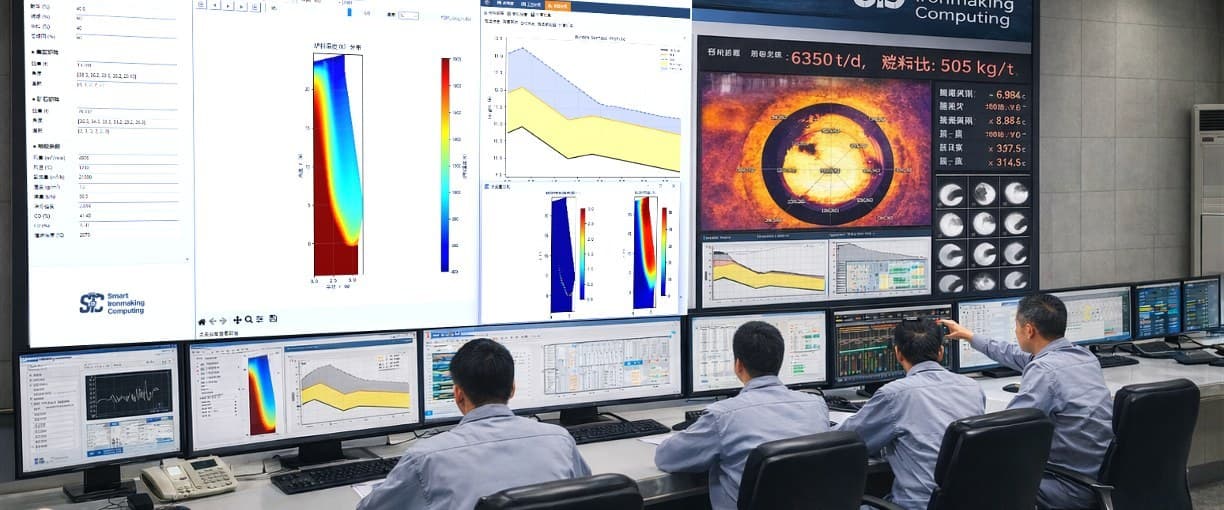
“The unmeasurable is not the unknowable.”
Insights
News and perspectives
News · October 2026
Introducing SIC™ BF Smart Agent X
Our commercial platform brings physics-constrained AI to the blast furnace — predicting what cannot be measured inside, and recommending quantified low-carbon operating changes.
Perspective · October 2026
Why blast furnace decarbonisation needs physics-constrained AI
Pure data-driven AI learns from the past. Decarbonisation means operating the furnace in ways it has never run before.
Event · September 2026
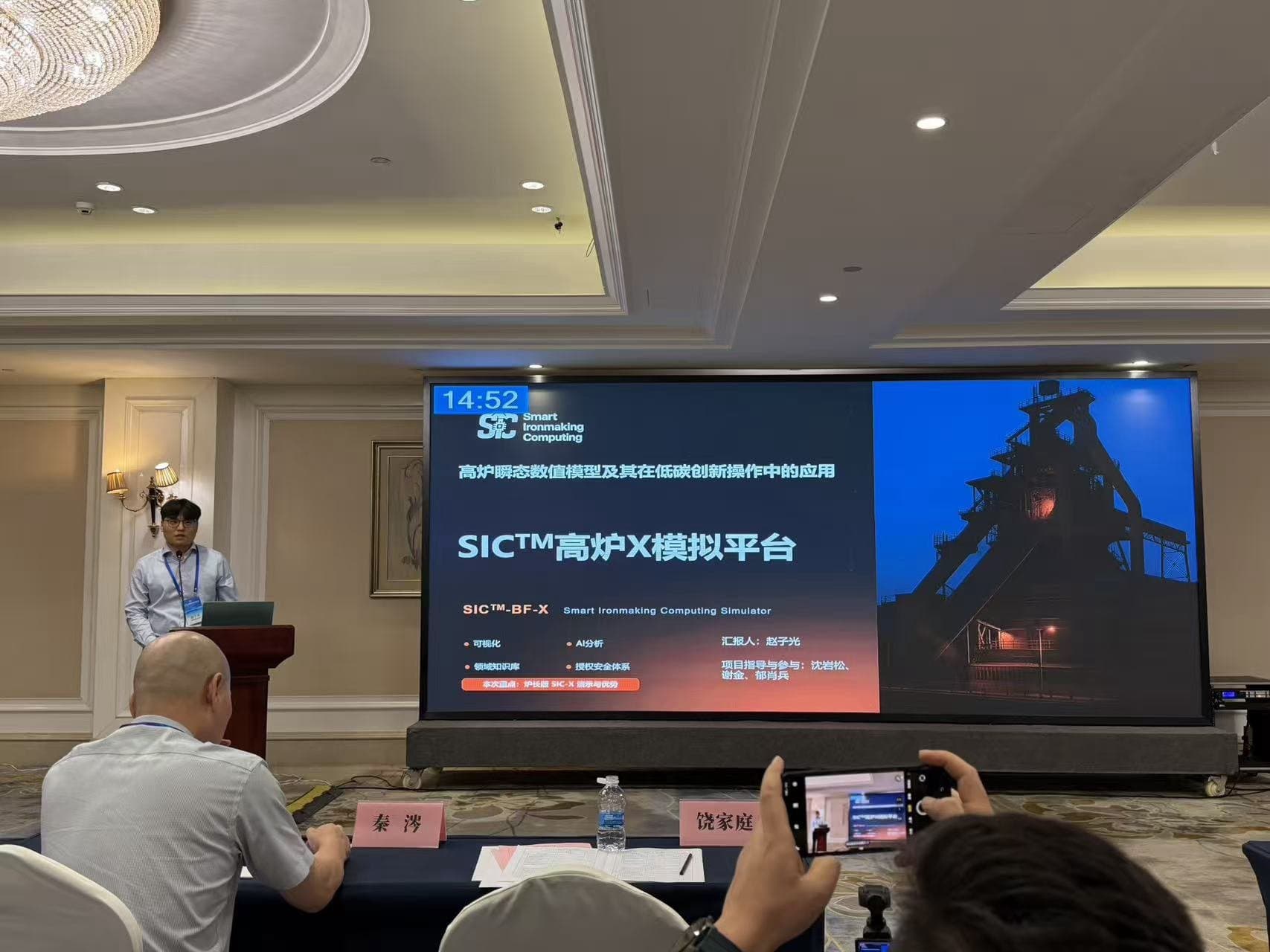
Presenting at the 2026 National Blast Furnace Ironmaking Conference in Chengdu
Representing SIC™, co-founder Dr Ziguang Zhao and CTO Dr Jin Xie presented at the 2026 National Blast Furnace Ironmaking Conference, hosted by the Ironmaking Branch of the Chinese Society for Metals.
Contact
Bring one furnace question. We'll show you what the model sees.
Steel plant, research partner or investor — leave a short message and an engineer from our team will reply within one business day.