
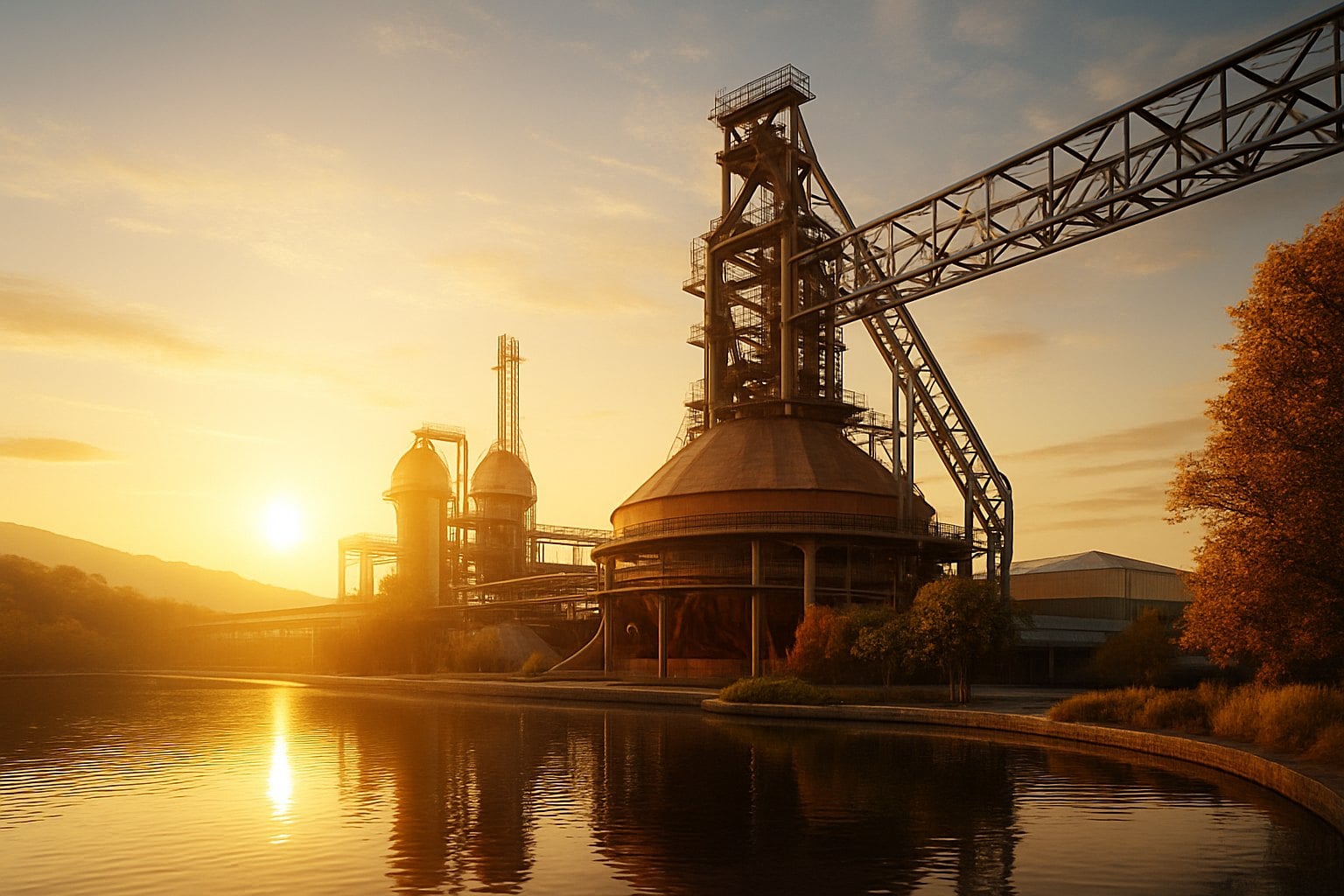
Green iron
Green iron starts in the furnaces running today.
Australia mines the ore; its partners make the steel. Cutting the emissions in between depends on furnaces that cannot simply be switched off.
The transition
Two horizons, one bottleneck.
- 01
Now: existing blast furnaces
Most of the world's iron still comes from blast furnaces with decades of life left. Emissions have to fall inside them first — through ore blends, hydrogen-rich injection and lower fuel rates.
- 02
Next: new green iron routes
New routes using Australian ore and renewable energy are coming. Every step toward them changes what furnaces receive and how they must run.
- 03
The bottleneck: no one can see inside
Each change alters a process that cannot be measured internally. Without a trustworthy model, plants are left to trial and error on live assets.
Our role
De-risking the change, furnace by furnace.
SIC™ BF Smart Agent X lets steelmakers prove a change in the model before they risk the furnace — making it practical to adopt Australian ores and low-carbon operations sooner.
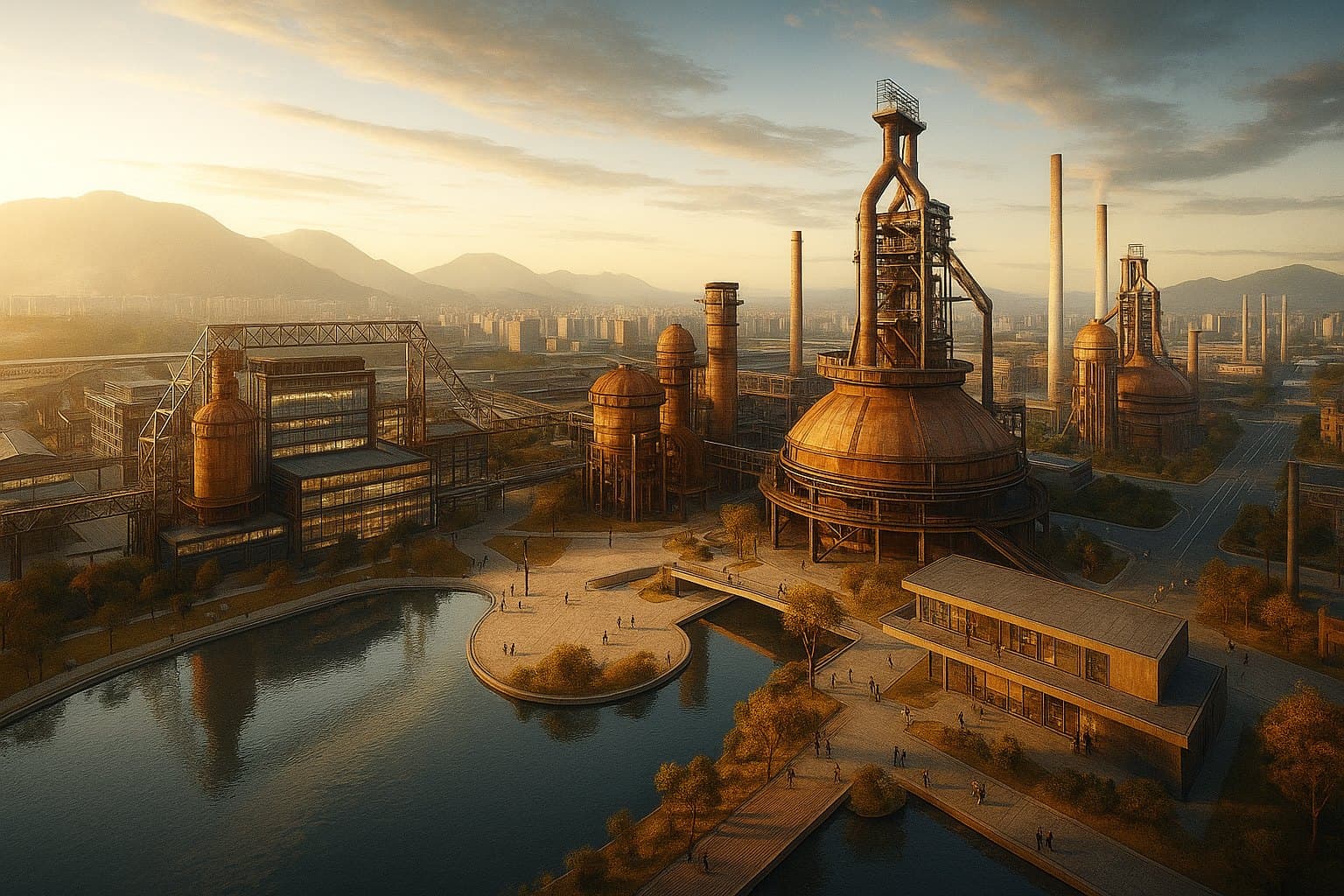
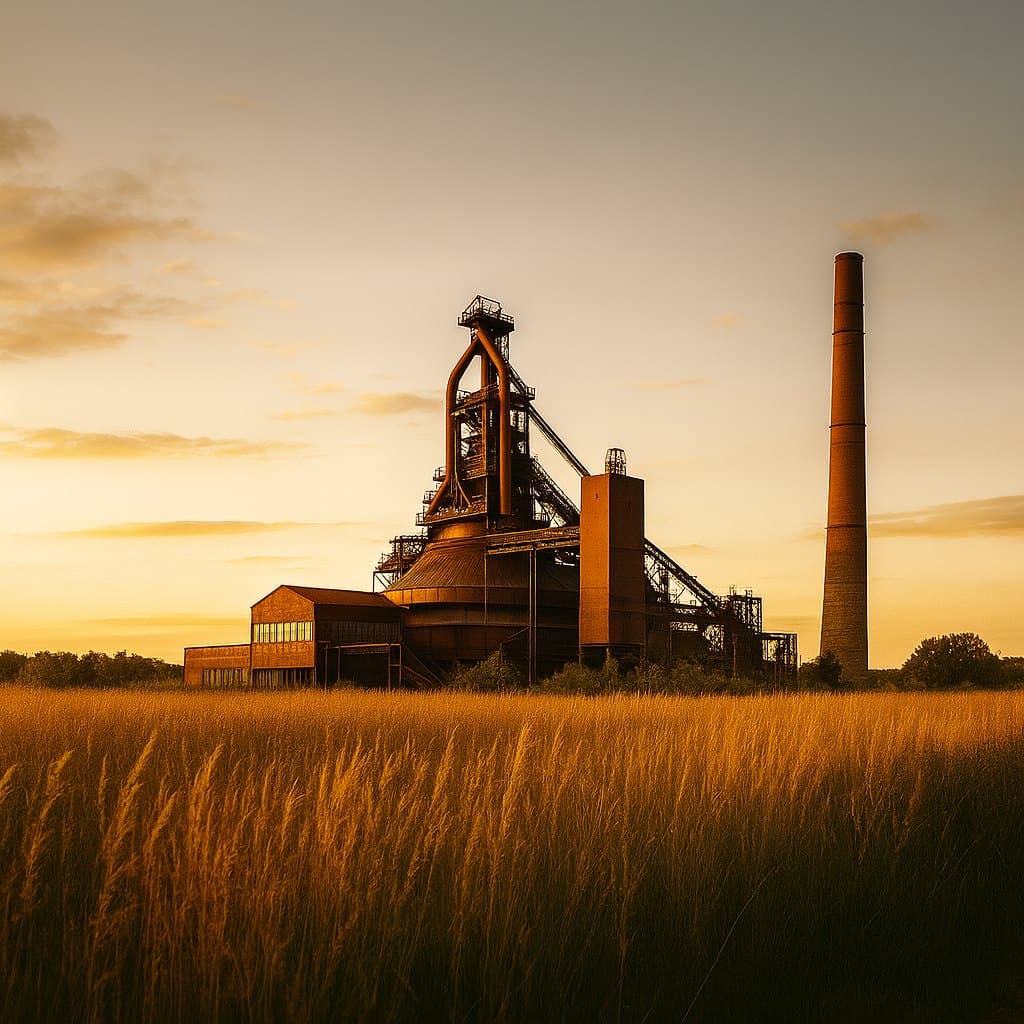
Low-carbon operation
Three low-carbon routes. One shared problem.
For the blast furnaces running today, the operating routes to lower carbon fall into three groups:
- 01
Top-gas control
Top-gas recycling and carbon capture, utilisation and storage (CCUS).
- 02
Injection
Coke-oven gas, hydrogen, biomass and biogas.
- 03
Burden
High-pellet operation, highly reactive carbon-bearing burden, pre-reduced iron, bio-coke and ferro-coke.
The shared problem: a new operation has no history to learn from, and what it does inside the furnace cannot be measured. So we compute it from the physics — before it reaches the furnace.
Our 2026 conference talksContact
Bring one furnace question. We'll show you what the model sees.
Steel plant, research partner or investor — leave a short message and an engineer from our team will reply within one business day.